I am a Software Engineer with experience working in an intensive startup environment alongside an AGILE team. I have more than three years of experience in object-oriented programming, particularly in the development of high-volume, low-latency projects. My professional track record highlights my proficiency in tackling intricate data-intensive applications, with a keen focus on optimizing efficiency.
Outside of my professional commitments, I enjoy going on long hikes in nature, reading books and having a warm cup of tea.
View Resume
GPA: 3.6
Notable Achievements: Received a scholarship for Fin-ML Research and was hired three times for distinct programming projects, two of which were used to facilitate course capstone projects.
Coursework: Decision Analysis, Machine Learning, Machine Learning II: Deep Learning, Adv. Statistics, Forecasting Methods, Algorithms, Complex Networks Analysis, Optimization, Statistical Modelling
GPA: 8.4
Notable Achievement: One of only two teams in my cohort to receive research funding for the engineering capstone project.
Coursework: Data Structures, Object Oriented Programming, Data Management Systems, Distributed Systems, Operating Systems, Adv. Applied Mathematics I/ II/ III/ IV, Digital Logic Design, Microprocessor, Circuits, Web Technologies
at Shift-Technology, a Fintech Unicorn Startup
Tech Stack: C#, Python, SQL, ElasticSearch, Docker, GCP Cloud Run, AWS
CI/ CD: TeamCity, Octopus, GitHub Actions
Led ORM redesign reducing data extraction time by 20%, improving backend scalability across all client environments.
Integrated ElasticSearch API into the fraud detection backend, enabling high-performance entity search at scale.
Built a factory-based data transformation library in C#/.NET supporting 15+ enterprise clients with minimal per-client config.
Refactored the ML microservices data transformation layer, delivering a 5% company-wide processing efficiency gain.
Coded hash-based deduplication filters to efficiently ingest and process tables with up to 9 billion highly duplicated rows within server memory constraints.
at DocuFire
Tech Stack: C#, .NET Core, SQL
CI/ CD: Windows Installer, InstallShield
Increased document generation throughput by 15% via async parallel processing of pages in the PDF generation module of the core ERP system.
Migrated legacy data access layer to a REST API with full unit test coverage, preserving all existing endpoints and strengthening system reliability.
Designed and developed the MVC backend for an ASP.NET Core web application, seamlessly integrating it with the REST API.
at HEC Montréal, University of Montréal
Tech Stack: C#, ASP.NET Core, MySQL, Python
Built a scalable ASP.NET Core web app with MySQL for the 'Sports Analytics' course, including user registration, team and game sign-ups, and an on-server ML model simulating sports game outcomes.
Developed Python visualizations for a sports simulation ML model, subsequently adapting them for use on the server.
at Sentometrics, writing a Machine Learning research paper
Tech Stack: R, Python
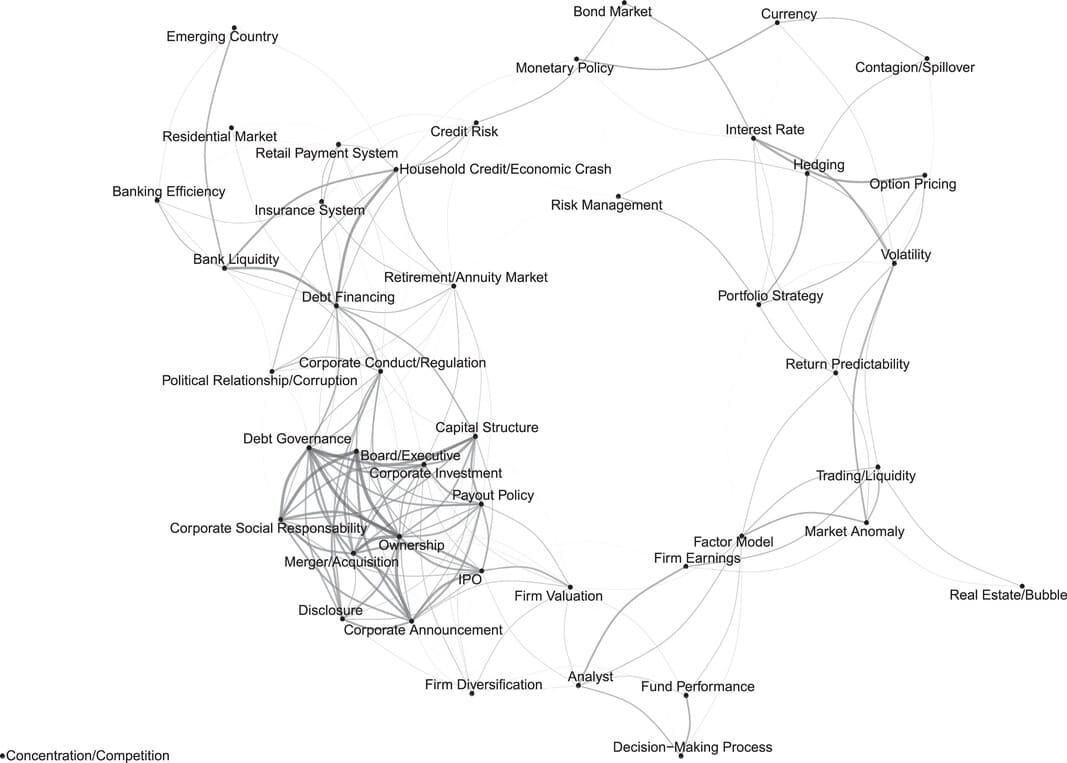
Used topic modeling (R) to analyze and gain insights about financial research over time.
Scraped data, preprocessed text, and annotated the text corpus.
Created and transformed several covariates for 33 Financial Journals.
Implemented, optimized, and compared multiple Structural Topic Models for relevant insights.
at ERPSim Lab, HEC Montréal
Tech Stack: Python, SAS
Documenting and verifying validity (Python) of simulated data for use in Cortex - a platform for learning and practicing data science concepts.
Programming in SAS and writing guides for students and teachers about using SAS-EM effectively to analyze the simulated datasets.
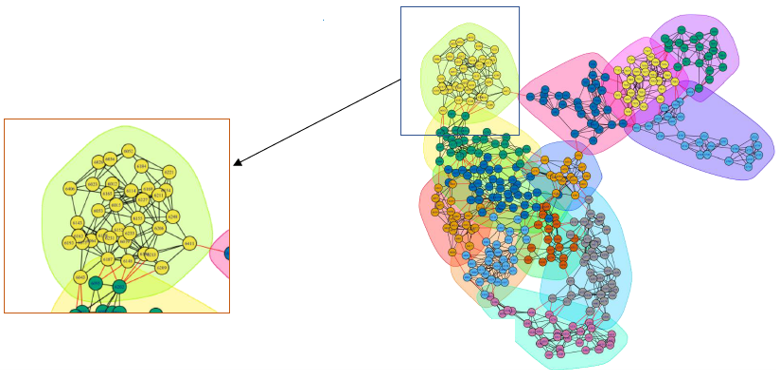
Created a complex road network of bike sharing service usage by overlaying it with a road network of the city.
Converted data into daily and weekly demand time series and incorporated conversion of time series data into complex networks using distance metrics and also a visibility graph.
Analyzed networks using global/local network descriptors, & community detection algorithms.
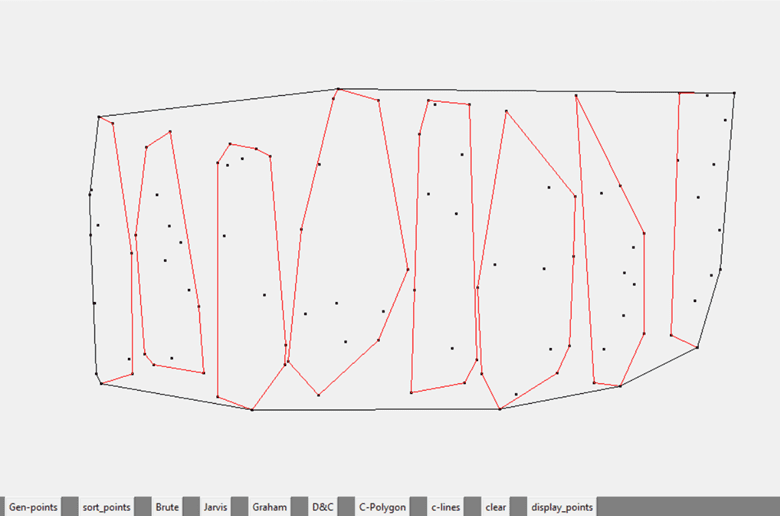
The project features a GUI for visualizing convex hull algorithms using Python & Tkinter.
Users can explore algorithms like Brute Force, Jarvis' March, Graham Scan, and Divide & Conquer by generating random points.
A specialized LeftHull algorithm is included for polygon convex hulls.
These algorithms are implemented from the psuedocode in their original research papers, wherever available.
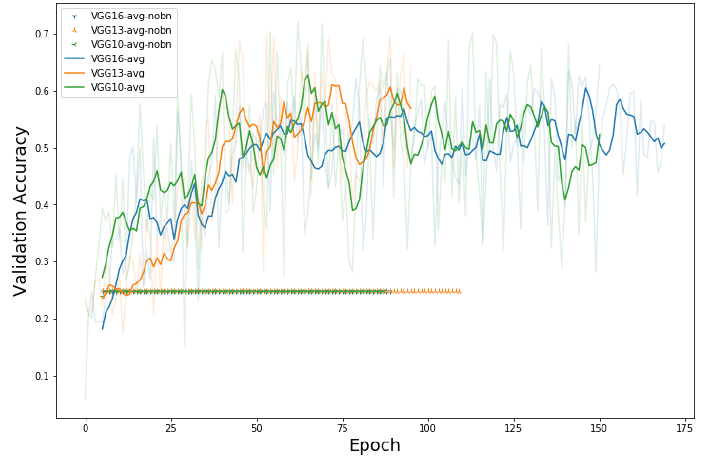
We classify images of recyclable trash into different categories by using the following:
Support Vector Machines (SVM): One vs Many
Convolutional Neural Networks (CNN):
Architectures: VGG10, VGG13, VGG16, ResNet34
Hyperparameters: Pooling, Batch Normalization, Depth, Data Augmentation
in The Journal Of Economic Surveys
Employed an unsupervised Machine Learning Bayesian Model, the Structural Topic Model, to analyze financial journals.
in the 2nd International Conference on Trends in Electronics and Informatics, published by IEEE
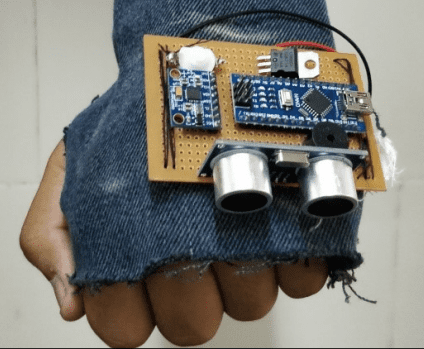
Developed an Arduino project integrating ultrasonic sound sensors and a gyroscope onto a glove, accompanied by custom code aimed at enhancing navigation for individuals with visual impairments.
in the 2017 International Conference on Intelligent Sustainable Systems, published by IEEE
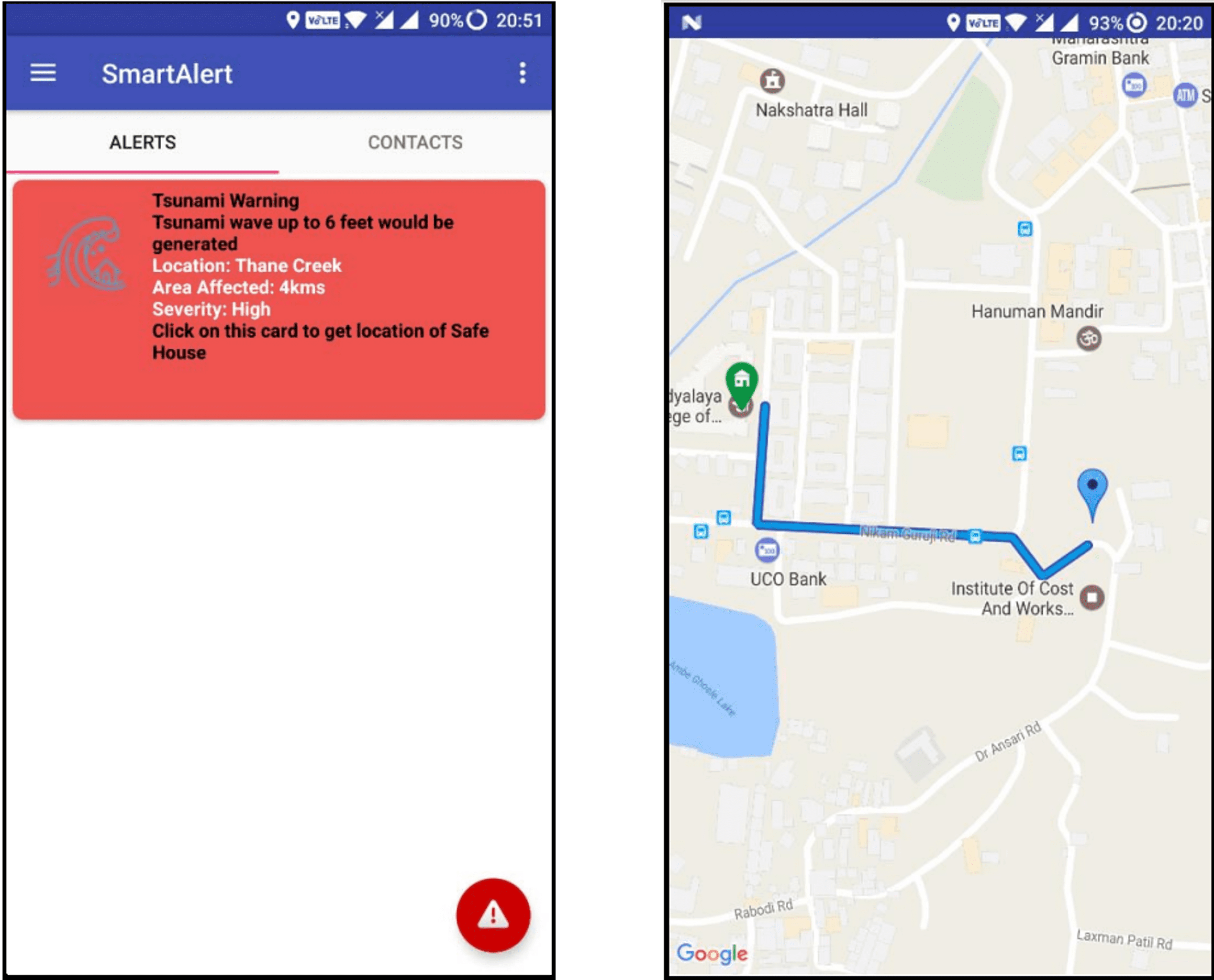
Created an Android application designed to issue natural disaster warnings and guide users to the closest warehouse, factoring in considerations such as distance, capacity, and other relevant metrics.
in the 2017 2nd International Conference on Communication and Electronics Systems, published by IEEE
This project entails the development of a web application aimed at modernizing and optimizing record management processes in colleges and universities. By digitizing these tasks, it effectively lessens the administrative burden. The application encompasses features such as an online paper-checking module, attendance tracking, and a digital notice board, all of which contribute to enhanced efficiency in academic operations.